
White, Red or Rosé: What Actually Differs Beyond the Colour
Roth Miklós
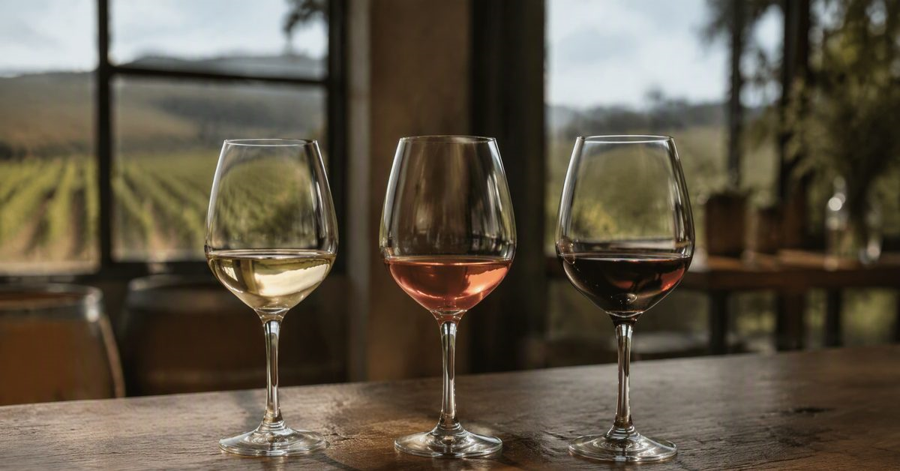
Most beginners assume the difference between white and red wine is the colour of the grape. It is not. Nearly all wine grapes — including the dark-skinned varieties behind famous reds — have pale juice. The real difference between white, red and rosé lies in what the winemaker lets that juice touch, and for how long. A handful of cellar decisions explains almost everything you taste in the glass, and makes choosing a bottle far less mysterious.
It starts with the skin, not the pulp
Grape skins carry pigment, tannin and a large share of a wine's aroma compounds. An explainer on what actually differs between white, red and rosé describes the core mechanism: white wine is typically pressed immediately and fermented away from the skins; red wine ferments with the skins, often for one to three weeks, extracting colour and tannin; rosé sits between the two — dark grapes, but only a brief skin contact of a few hours to a couple of days before the juice is drawn off.
That is why rosé can be made from the same variety as a red wine yet taste lighter and look paler. The International Organisation of Vine and Wine (OIV), the intergovernmental body that codifies winemaking practice, classifies wine styles along precisely these production distinctions. A Hungarian walkthrough of the same white-red-rosé differences makes the practical point clearly: the colour is the least interesting difference — contact time decides the wine's frame.
Tannin: the structural difference you can feel
Tannin is the drying, grippy sensation a red wine leaves on your gums — the same compound family that makes strong black tea feel astringent. Because white juice rarely meets the skins, most whites carry little tannin and lean on acidity for structure instead. Reds built on long skin contact and oak aging can be firm and mouth-filling; lighter reds keep the grip gentle.
This single variable explains classic food logic: tannin binds with protein and fat, which is why a structured red flatters a steak, while the crisp acidity of a white cuts through fish, salads and creamy dishes. Rosé, often dismissed as unserious, handles the middle ground — mixed tables, salads, charcuterie, terrace afternoons — far better than its reputation suggests.
Aroma, temperature and the sweetness myth
Fermentation temperature shapes aroma: whites and rosés ferment cool, preserving floral, citrus and orchard-fruit notes; reds ferment warmer, encouraging extraction and the darker fruit, spice and earthy registers associated with aging. Serving temperature mirrors this — whites and rosés show best well chilled, light reds slightly cool, structured reds closer to cellar temperature. Serving any wine too cold mutes it; too warm exaggerates alcohol.
Colour also tells you nothing about sweetness, a point a second Hungarian explainer on style differences stresses: each style spans dry to sweet depending on whether fermentation converts all the grape sugar or stops early. Label terms help — Hungarian "száraz" means dry and "édes" sweet; German "trocken" and "halbtrocken" appear on many Central European bottles.
A Hungarian map — and a place to taste the difference
Abstract categories become clearer with local examples. Hungary's best-known white varieties include Furmint — the backbone of Tokaj, capable of bone-dry and lusciously sweet styles — and Olaszrizling, the country's most widely planted white. Kékfrankos is the flagship Hungarian red, while Villány has built its reputation on fuller-bodied reds from varieties such as Cabernet Franc.
Tasting styles side by side is the fastest way to internalise all this. The story of a Rómaifürdő neighbourhood wine shop open since 2015 describes one venue built for exactly that: daily tasting pours of newer wines, bookable tasting events and a terrace pouring at shop prices. A practical Budapest wine-choosing guide adds tasting discipline: whites before reds, dry before sweet, light before heavy, notes in your phone — memory edits generously after the fifth pour. And if a trip is impractical, a guide to ordering wine online in Hungary walks through courier delivery, parcel lockers and shop pickup.
For a first experiment, buy three bottles — a dry white, a rosé and a medium-bodied red — and taste them in that order, noting acidity, tannin and aroma intensity rather than hunting for textbook flavours. Re-corked and refrigerated, an opened bottle keeps its character for roughly two to four days, with tannic reds generally outlasting delicate whites, so there is no need to rush. Once you know colour comes from skin contact, tannin comes with it, and sweetness is its own dial, the wine shelf stops being a lottery and starts being a menu. Wine is for adults — enjoy it in moderation.